
HAPPY LIFE

WHAT NEWS?
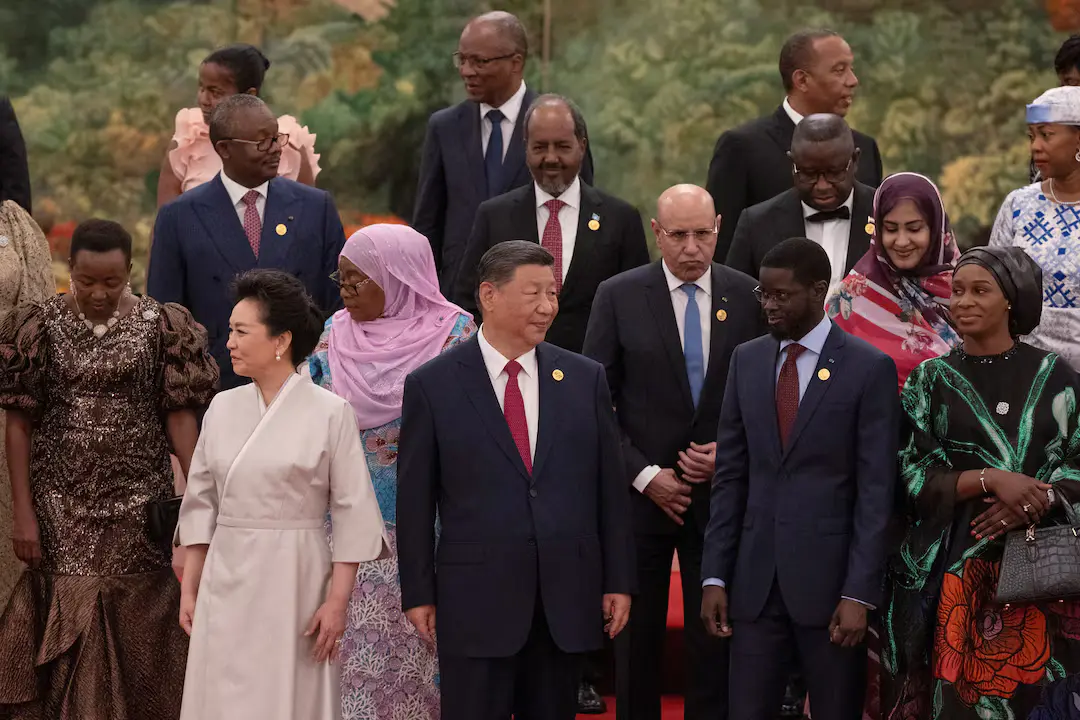
China Won't Fill Africa Funding Gap as Western Aid Shrinks
China Won't Fill Africa Funding Gap as Western Aid Shrinks


Trusted News - Expert Analysis - Global Coverage
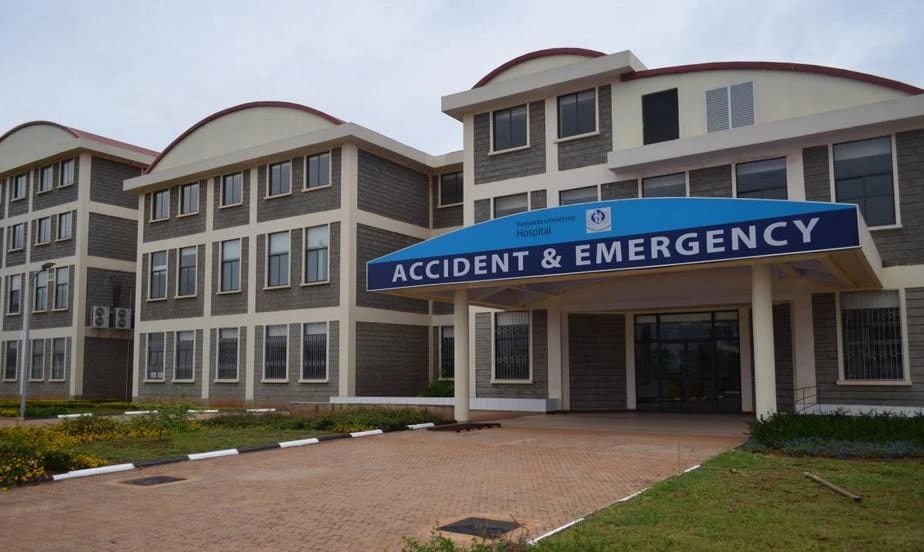
On the outskirts of Lusaka, the gleaming façade of the Levy Mwanawasa University Teaching Hospital displays two unmistakable English words: "China Aid." The hospital was not only built with Chinese financing but expanded again in 2020, turning it into one of Zambia's largest and most advanced medical facilities. A rotating corps of Chinese physicians still staffs the complex, helping deliver care in a nation long reliant on Western health assistance.
he hospital has become a physical symbol of Beijing's growing influence in Africa—arriving at a moment when Western funding, particularly from Europe and the United States, is contracting. The shift raises a key geopolitical question: as the West retreats, will China step in to fill the void?
For decades, Western countries dominated Africa's development landscape—financing hospitals, roads, HIV and malaria programs, agricultural reform, and governance institutions. But economic pressures, domestic political shifts, and rising skepticism of foreign aid have led many donors to scale back.
This contraction has left African governments scrambling for alternative funding. Many assumed China—now the continent's largest bilateral lender—would inevitably fill the gap. But the reality is more complex.
China's early "stadium diplomacy" and large-scale infrastructure financing were hallmarks of its early engagement. But Beijing is now recalibrating its African strategy due to debt concerns from defaults in Zambia, Angola, and Ethiopia, domestic economic slowdown, and a pivot from massive loans to targeted projects.
Instead of blanket financing, China now emphasizes medical aid (hospitals, research labs, medical teams), vocational training, technology transfers, and strategic infrastructure that enhances trade or resource access. This means China's presence remains large—but increasingly selective.
China's financing is attractive because it is fast, politically non-conditional, and often paired with technology or labor support. But critics point to opaque lending terms, limited local job creation, long-term dependency risks, and political leverage concerns tied to strategic infrastructure.
African policymakers stress that Chinese aid is welcomed, but not a replacement for traditional Western partnerships. Many argue that the continent needs a diversified ecosystem of lenders, not overreliance on any single power.
Even as Western aid budgets shrink, Western institutions remain influential in Africa through the World Bank, IMF, Global Fund, USAID and EU peacekeeping support, and private-sector investment in tech, telecom, and agriculture. This "quiet presence" contrasts sharply with China's highly visible construction projects.
Despite its expanding footprint, experts say Beijing is not positioning itself as Africa's emergency backstop. China does not want to become Africa's primary creditor—especially after facing global criticism during debt renegotiations. Beijing's new development philosophy emphasizes sustainability, not massive debt-driven projects.
Three factors explain why China won't replace Western aid:
Instead of replacing Western aid, China is reshaping Africa's development landscape by shifting focus toward:
The changing dynamics suggest Africa is moving into a multi-polar aid era, where China, the US, Europe, India, the Gulf states, and private tech giants all compete—and sometimes collaborate—for influence. This creates new opportunities for African nations to negotiate better terms and shape development priorities according to national interests rather than donor preferences.
The Levy Mwanawasa University Teaching Hospital is a window into this future: a Chinese-built, Chinese-supported facility serving African communities at a moment when Western assistance is shrinking, but without Beijing stepping in as Africa's sole financial lifeline.
In this emerging environment, African leaders increasingly wield the leverage—not the donors. They can play different powers against each other, negotiate better terms, and shape development priorities according to national interests rather than donor preferences.
The evolving China-Africa relationship has significant implications for global power dynamics:
As this geopolitical landscape continues to evolve, the relationship between China and Africa will likely become more nuanced, moving beyond simple donor-recipient dynamics toward more complex partnerships of mutual interest.