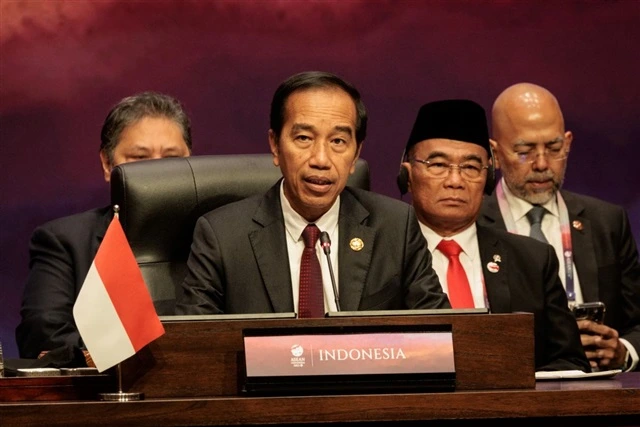
Indonesia is redefining its foreign policy through BRICS membership, de-dollarization, and strategic balancing between the U.S. and China. Here's how Jakarta is reshaping geopolitical and economic alignments for 2025 and beyond.




Trusted News - Expert Analysis - Global Coverage
Indonesia is redefining its foreign policy through BRICS membership, de-dollarization, and strategic balancing between the U.S. and China. Here's how Jakarta is reshaping geopolitical and economic alignments for 2025 and beyond.
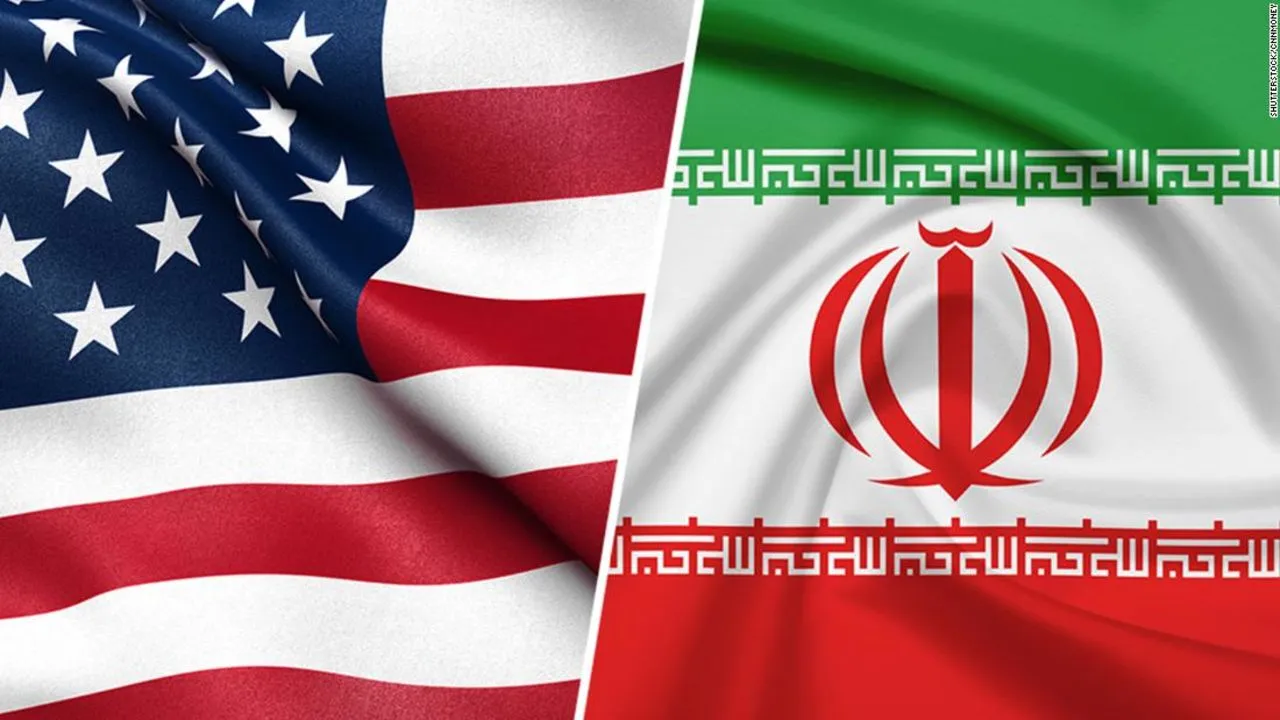
Despite a devastating U.S.–Israeli air campaign that crippled its military infrastructure, Iran is now signaling diplomatic openness toward Washington—an unexpected shift driven by internal pressure and geopolitical survival.
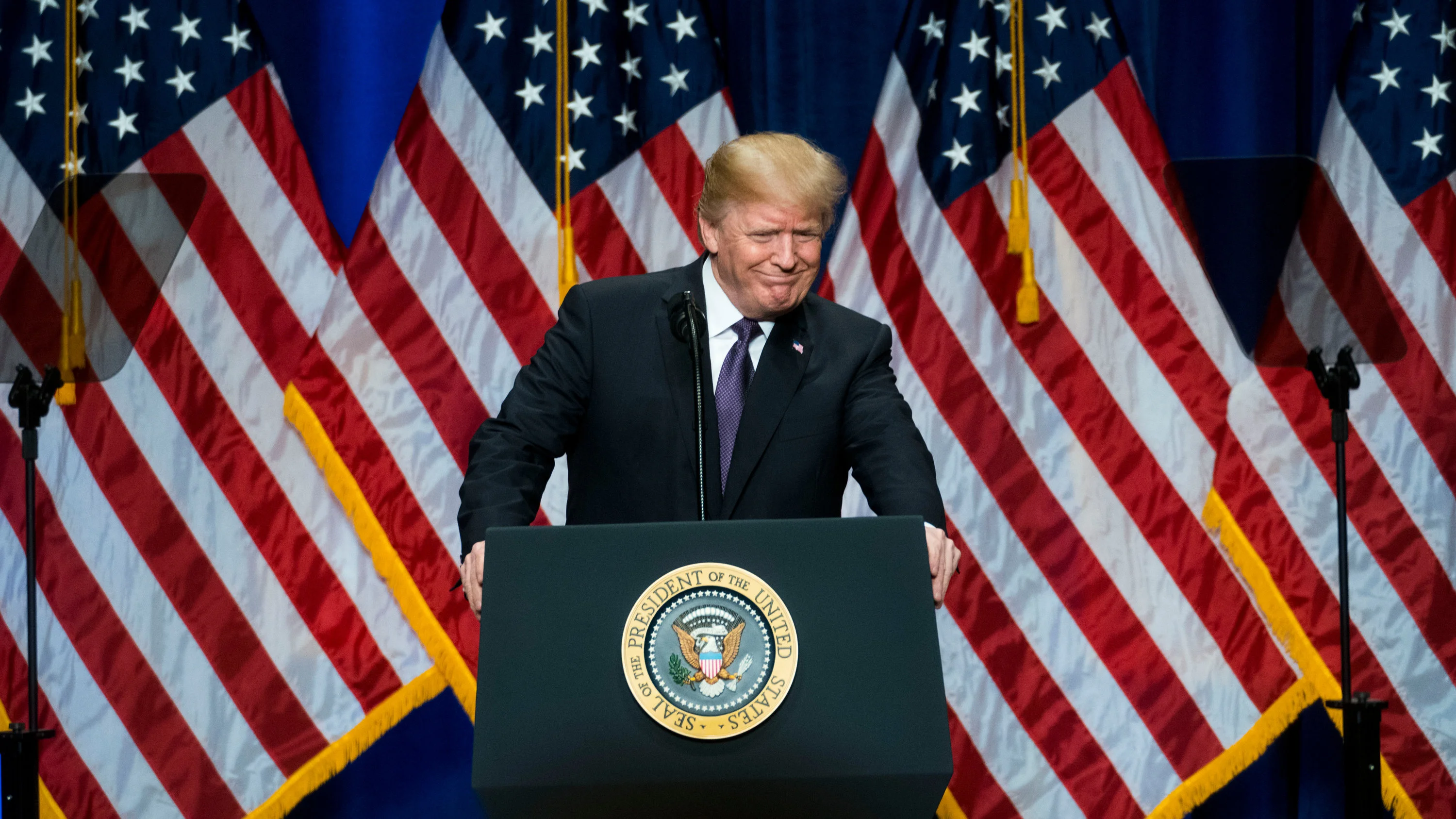
The Trump administration's new National Security Strategy has been criticized as vague, contradictory, and detached from global realities—promoting cultural and ideological battles over coherent geopolitical planning.
The Levy Mwanawasa University Teaching Hospital in Zambia stands as a symbol of China's evolving approach to African development. But as Western donors scale back assistance, experts say Beijing is unlikely—and unwilling—to fully replace the financial vacuum.
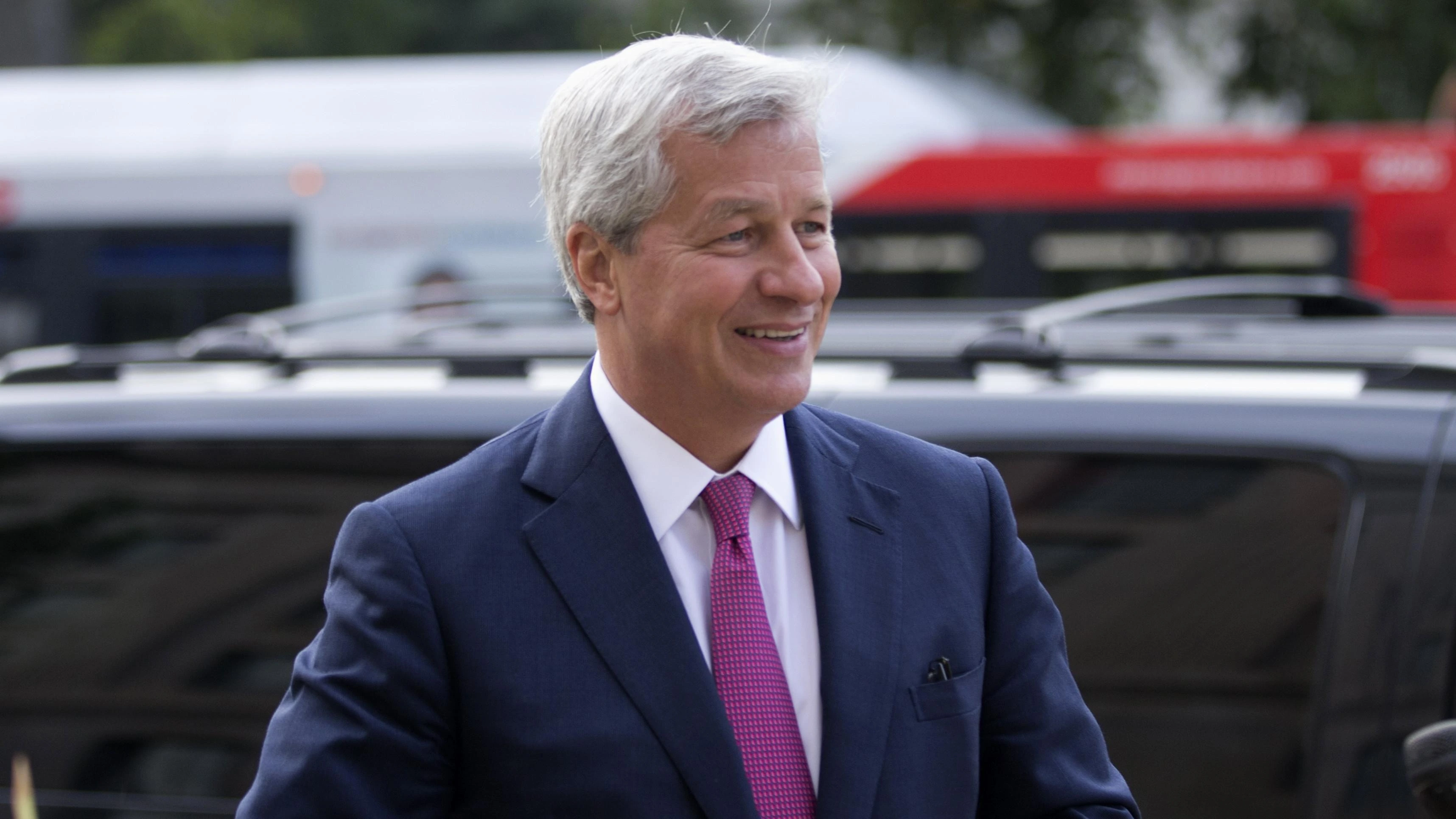
JPMorgan Chase CEO Jamie Dimon has warned that the risk of a major US stock market correction is higher than many investors expect, citing geopolitical tensions, inflation concerns, rising government spending, and global military buildup as key sources of uncertainty.
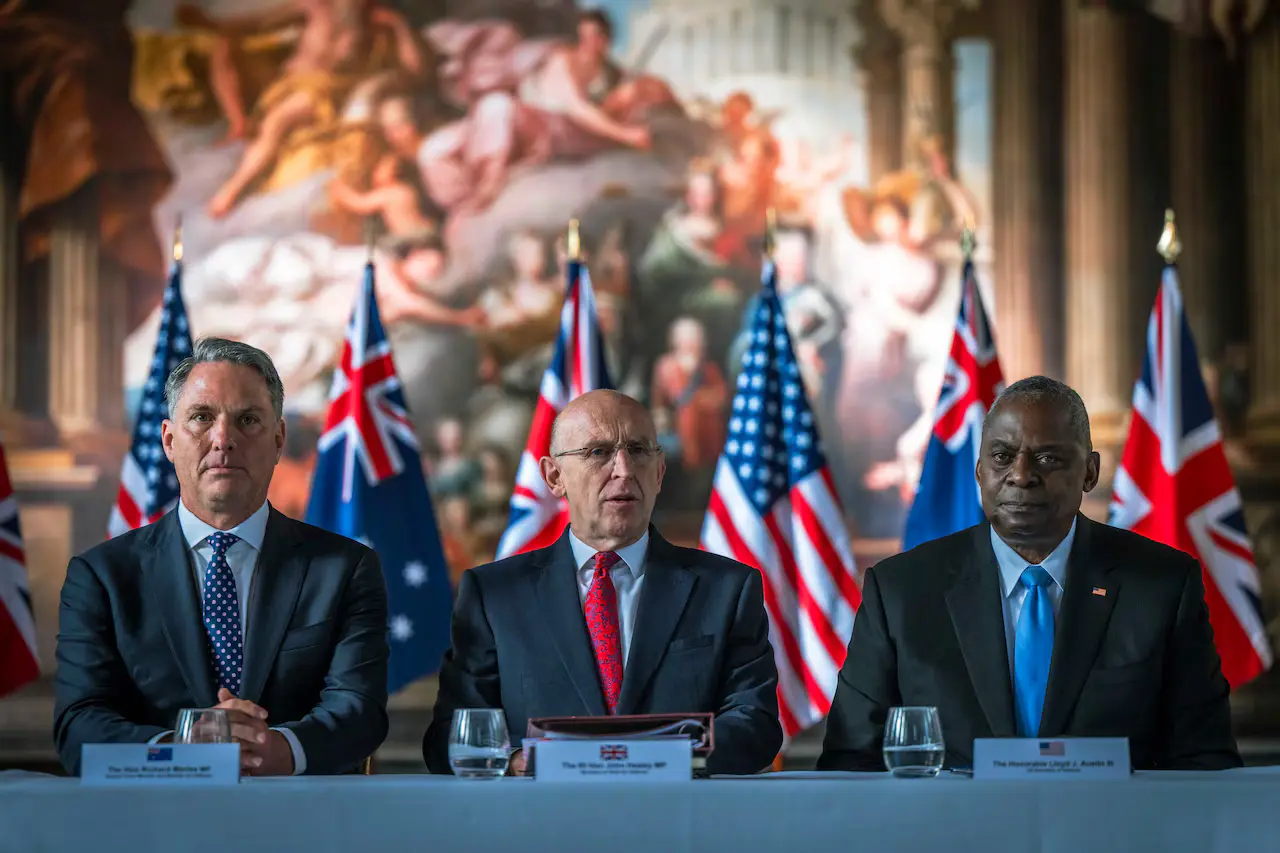
British officials say the Aukus security partnership must transition from planning to concrete implementation after the U.S. concluded a review of its commitments, urging all partners to accelerate progress in the Indo-Pacific.