
HAPPY LIFE

WHAT NEWS?
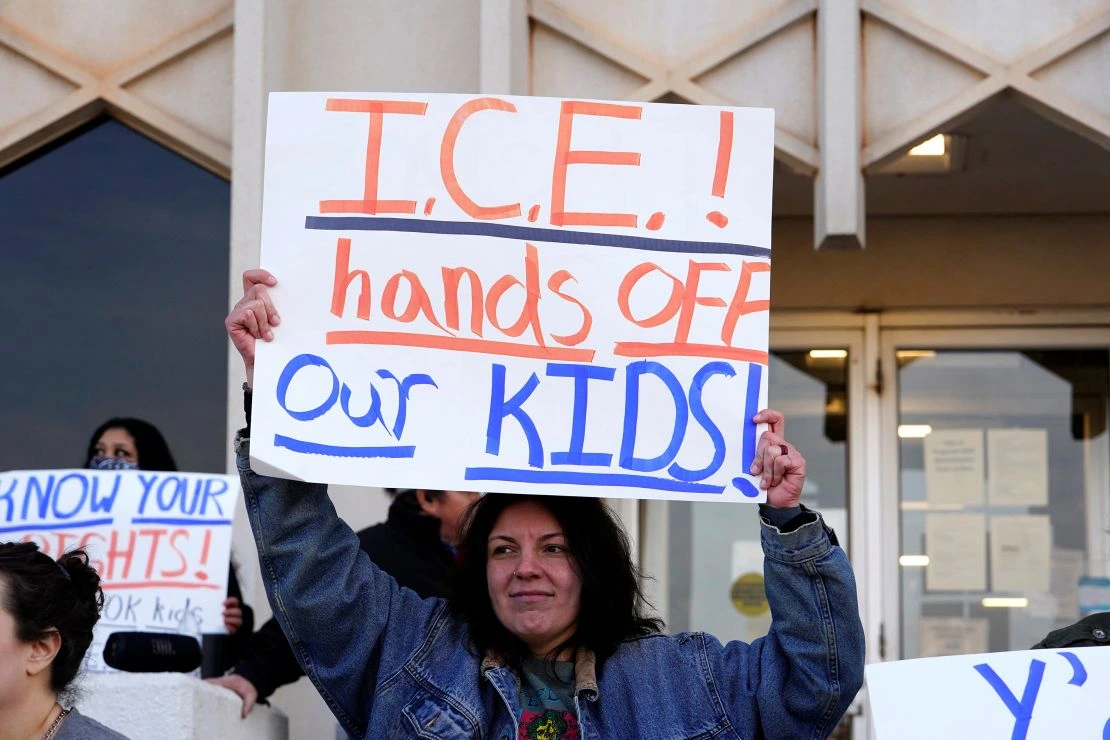
Democrats Raise Alarm Over Federal Shift from Child Exploitation to ICE Enforcement
Democrats Raise Alarm Over Federal Shift from Child Exploitation to ICE Enforcement


Trusted News - Expert Analysis - Global Coverage
Democratic lawmakers accuse U.S. administration of redirecting federal law enforcement resources from child exploitation and drug trafficking investigations to ICE operations. Read investigation from Sarah Ming.
bipartisan group of Democratic lawmakers has accused the U.S. administration of redirecting federal law enforcement resources away from critical criminal investigations—such as child exploitation and drug trafficking—toward bolstering Immigration and Customs Enforcement (ICE) operations, a move that critics say undermines national safety priorities.
In a sharply worded letter to the White House, Democratic senators expressed outrage over what they described as a "stunning abdication of basic responsibilities" by the Department of Homeland Security and related agencies. The lawmakers assert that thousands of agents originally tasked with investigating violent crime, human trafficking, child abuse, and narcotics trafficking have been reassigned to work on immigration enforcement, significantly reducing the federal focus on these pressing issues.
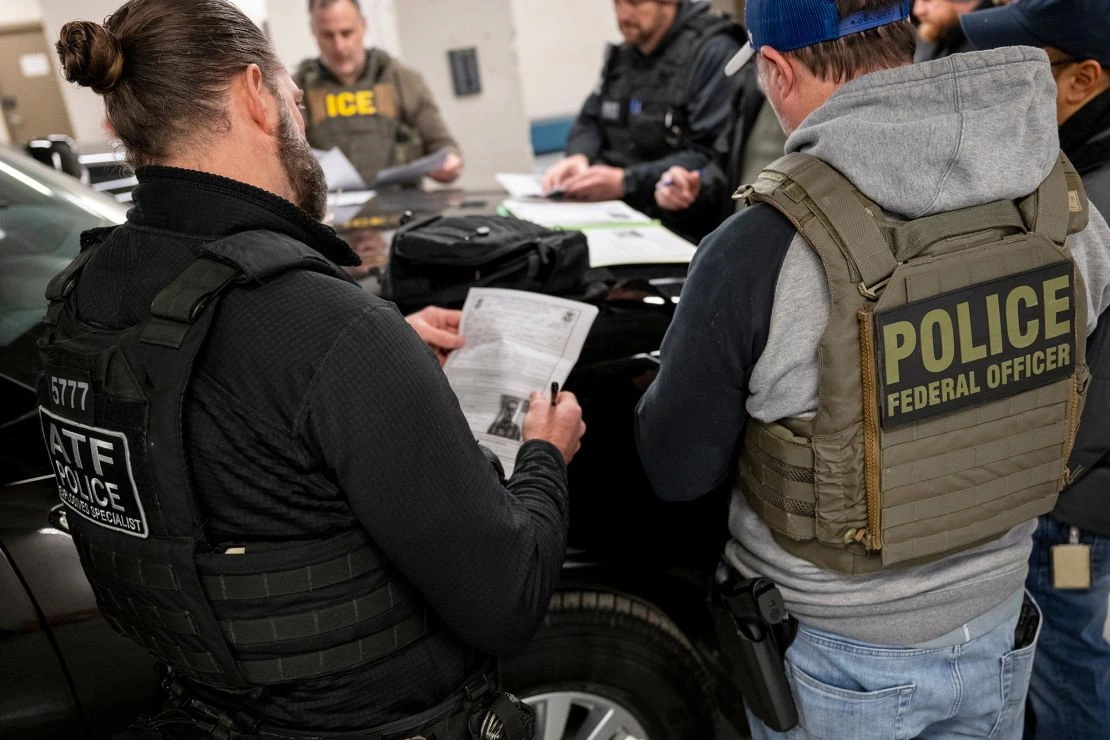
According to the letter, the reallocation includes personnel from the FBI, DEA, and Department of Homeland Security's Homeland Security Investigations (HSI), which historically plays a significant role in identifying and dismantling networks targeting children and drug supply chains. Critics argue that the shift could lead to gaps in critical protections for vulnerable populations and slow progress in prosecuting serious offenders.
"Protecting communities from violent crime and exploitation must remain a top priority of federal law enforcement," the lawmakers wrote, adding that reallocating agents toward immigration enforcement without clear data on outcomes threatens public confidence and safety. The reassignment reportedly involves hundreds of specialized agents who have spent years building expertise in complex investigations involving organized crime, child exploitation rings, and transnational drug cartels.
The letter also demands a full accounting of how many agents were reassigned, what cases were deprioritized, and what metrics the administration is using to measure success in its enforcement operations. Critics warn this could have long-term implications for investigations that require continuity and specialized resources—especially those involving organized crime and transnational trafficking.
As the debate intensifies on Capitol Hill, lawmakers from both parties are increasingly calling for detailed oversight hearings and reporting requirements to ensure that vital federal investigations—particularly those protecting children and targeting illegal drugs—are not sidelined. Many also argue that transparency will help Americans understand how federal priorities are balanced and funded.
Administration officials have responded that ICE plays an essential role in national security and border integrity, and that prioritizing immigration enforcement helps reduce illegal activity overall. However, lawmakers insist that law enforcement must balance its portfolio of threats and not neglect violent crime and victim-centric investigations in the process.
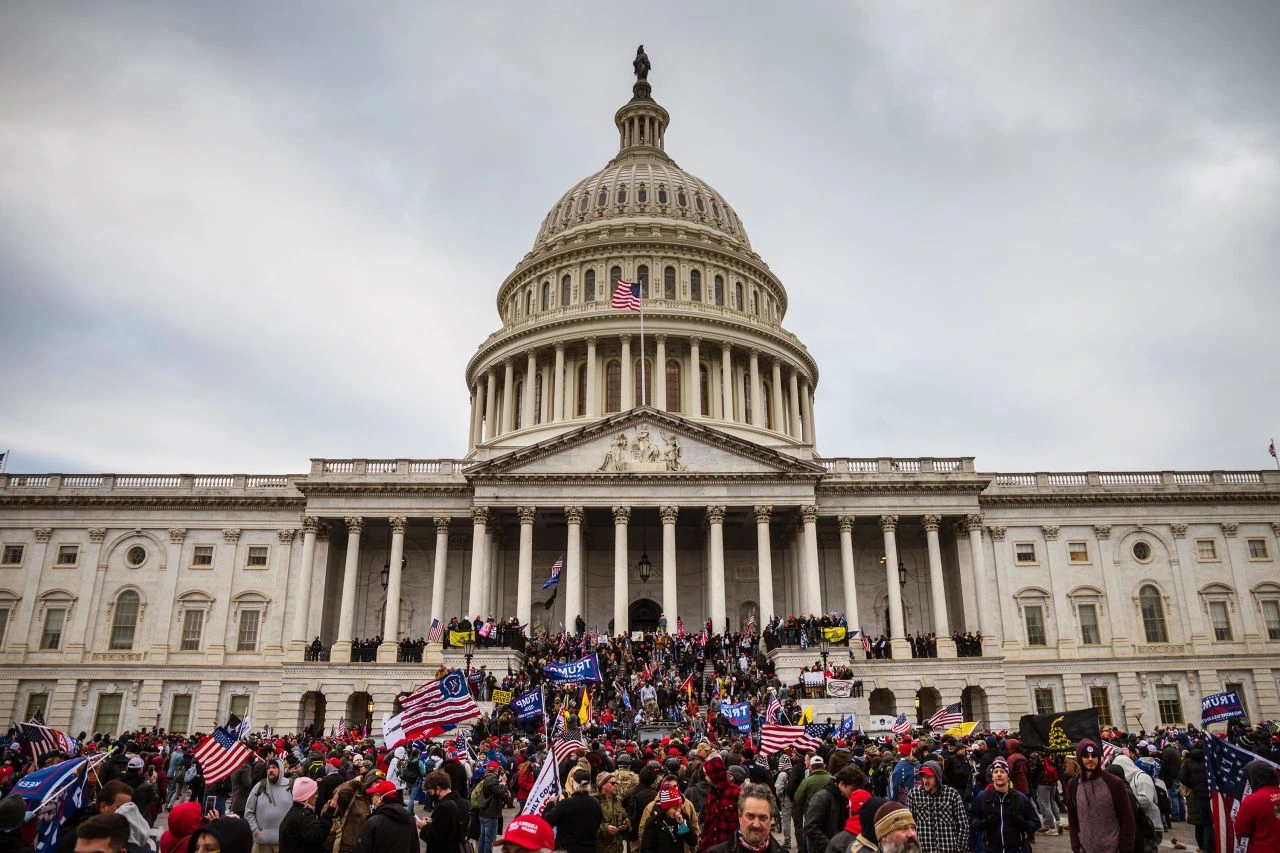
Congressional investigators have found that in several high-priority districts, the reassignment of HSI agents has led to a backlog in child exploitation cases. "We're seeing predators potentially slipping through the cracks because the agents who know these cases inside and out are now doing immigration work," said a senior staffer on the Senate Judiciary Committee.
The controversy has also sparked concerns among state and local law enforcement agencies, who rely on federal partners for specialized resources and intelligence. "When the feds pull back from these investigations, the burden falls on us," said a state police commander in a border state who requested anonymity. "But we don't have the same jurisdictional reach or resources to tackle these complex, multi-state criminal networks."
Child exploitation investigations are among the most resource-intensive and time-sensitive operations in federal law enforcement. According to internal documents reviewed by congressional staff, the reassignment of HSI agents has affected several high-profile investigations into online child exploitation networks, with some cases being transferred to overburdened local agencies or temporarily shelved.
"These investigations require specialized training and continuity," explained a former federal prosecutor specializing in child exploitation cases. "When you reassign agents who have spent years building relationships with victims and understanding the patterns of specific criminal networks, you're essentially starting from scratch. The victims pay the price."
Data from the National Center for Missing and Exploited Children shows a concerning trend: while reports of online child exploitation have increased by 35% over the past two years, federal prosecutions in this area have decreased by 22% during the same period. Lawmakers are demanding explanations for this discrepancy.
The shift in resources has also impacted drug trafficking investigations at a time when the opioid crisis continues to claim thousands of lives annually. DEA officials have privately expressed concerns about the reassignment of agents who were working on major cartel investigations, particularly those involving fentanyl trafficking.
"We're playing whack-a-mole with drug trafficking organizations," said a DEA supervisor in the Southwest. "Just when we're making progress on one network, we lose resources and have to shift focus. It's frustrating and ultimately counterproductive to the mission of protecting communities from dangerous drugs."
Congressional oversight committees have scheduled hearings for early January 2026, where agency heads will be required to testify about the impact of resource reallocations on their core missions. Lawmakers are also drafting legislation that would require more detailed reporting on how federal law enforcement resources are allocated and what impact those allocations have on public safety outcomes.
The debate highlights a fundamental tension in federal law enforcement priorities: border security versus domestic crime prevention. As one veteran lawmaker put it, "We need to do both well. We can't sacrifice the safety of children and communities inside our borders in the name of securing the border. That's a false choice that ultimately makes all of us less safe."