HAPPY LIFE
WHAT NEWS?
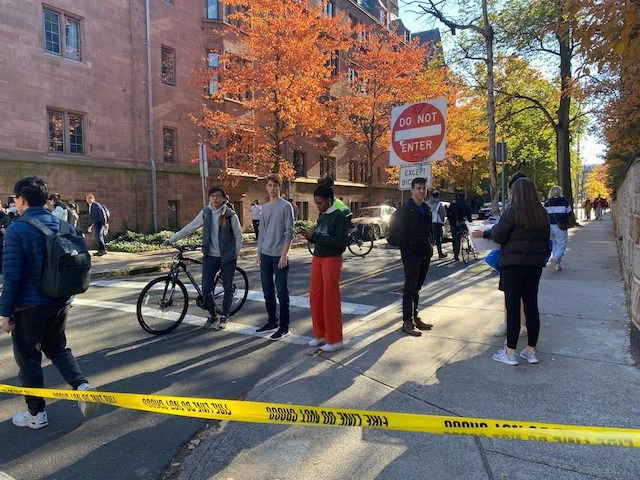
FBI Releases Update on Brown University and MIT Shootings Investigation
FBI Releases Update on Brown University and MIT Shootings Investigation


Trusted News - Expert Analysis - Global Coverage
DOJ provides new details about federal investigation into Brown University and MIT shootings, disclosing recovered evidence including translated confessional videos.
he Department of Justice, working with the Federal Bureau of Investigation and other law enforcement partners, continues to probe the December 2025 shootings that left multiple victims dead at Brown University and in Brookline, Massachusetts. A federal search on December 18 at a storage facility linked to the alleged shooter uncovered electronic devices containing videos made after the attacks.
Claudio Manuel Neves Valente, the Portuguese national identified as responsible for the shootings, recorded a series of short videos in which he admitted planning the attack on Brown University but did not clearly explain his motive. These recordings were seized by investigators and translated from Portuguese to English before being released as part of the evolving investigation.
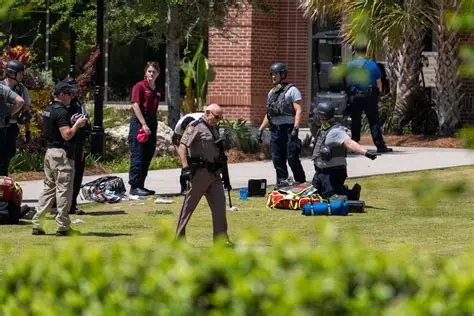
According to the DOJ, Valente expressed no remorse in the videos—blaming his victims instead—and detailed aspects of his planning. While preliminary evidence confirms that Brown University was his intended target, authorities said there is no definitive explanation yet for why he also traveled later to Brookline, where an MIT professor was fatally shot.
Officials emphasize that, based on current evidence, there appears to be no ongoing threat to public safety linked to the case. The DOJ says it will continue to review all seized material, including additional digital evidence and witness statements, to better understand the shooter's motivations and to complete the federal inquiry.
The ongoing investigation involves multiple agencies, including the FBI, local law enforcement, and the U.S. Attorney's Office for the District of Massachusetts. Authorities say they are reviewing all evidence comprehensively to ensure a thorough understanding of the sequence of events and any possible underlying factors.
The DOJ has pledged to provide further updates as new information becomes available and as interviews, digital forensic analysis, and legal processes continue. Law enforcement officials have reiterated that their focus remains on facts and evidence rather than speculation.
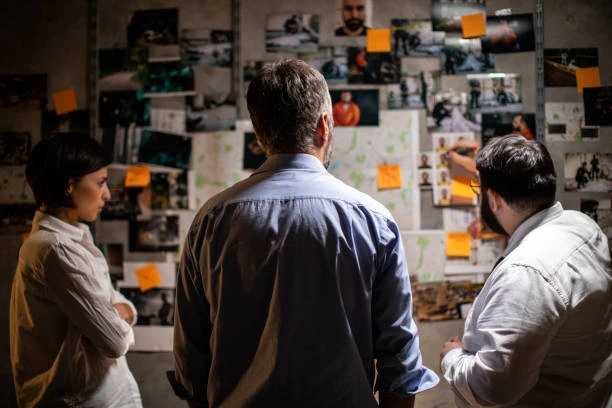
Investigators have been working around the clock to piece together Valente's movements in the days leading up to the attacks. According to sources familiar with the investigation, Valente arrived in the United States on a tourist visa three weeks before the shootings and had been staying in temporary accommodations in Providence, Rhode Island.
The recovered videos, which total approximately 45 minutes of footage, show Valente speaking directly to the camera in a calm, matter-of-fact tone. In one segment, he describes his planning process and the weapons he acquired, but offers no political or ideological justification for his actions.
The shootings have sent shockwaves through the academic communities at both Brown University and MIT. Brown University has increased security measures on campus and has offered counseling services to students, faculty, and staff affected by the tragedy.
MIT has also implemented additional security protocols and is working closely with law enforcement. The victim in Brookline has been identified as Dr. Samuel Chen, a distinguished professor of computer science who was walking home from his laboratory when he was attacked.
Both universities have established memorial funds for the victims and are planning campus vigils. The academic community nationwide has expressed solidarity with the affected institutions, with many colleges and universities reviewing their own security protocols in light of the incidents.
Federal investigators are examining Valente's online activities and communications in the months leading up to the attacks. Preliminary digital forensic analysis suggests he conducted extensive research on both campuses, including studying building layouts and academic schedules.
The investigation timeline shows that Valente's storage unit was identified through financial records and surveillance footage. The search warrant executed on December 18 yielded not only the electronic devices containing the confessional videos but also detailed notebooks, maps, and additional planning materials.
According to court documents, Valente had meticulously documented his preparations, including weapon purchases, transportation arrangements, and reconnaissance of both campuses. However, investigators note that his writings contain no clear ideological statements or manifestos typically associated with similar attacks.
The FBI's behavioral analysis unit is working to develop a psychological profile of Valente, examining his background, mental health history, and potential triggers. This analysis will be crucial in understanding what led to the attacks and whether there were any warning signs that could have been detected earlier.
The investigation continues to evolve as new evidence is processed and analyzed. The DOJ has established a dedicated task force that includes specialists in digital forensics, behavioral analysis, and international cooperation to ensure a comprehensive investigation.