
HAPPY LIFE

WHAT NEWS?
Israeli Strikes Kill 7 Palestinians in Gaza Ceasefire Violations
Israeli Strikes Kill 7 Palestinians in Gaza Ceasefire Violations


Trusted News - Expert Analysis - Global Coverage
Seven Palestinians, including two children, were killed in fresh Israeli attacks on Gaza despite a U.S.-brokered ceasefire. Strikes hit northern Gaza City and the southern al-Mawasi camp, triggering fires and injuring dozens as tensions rise over ceasefire violations and delays in reopening the Rafah crossing.
aza Strip — Israel's military has killed seven Palestinians, among them two children, in separate attacks across Gaza, even as a U.S.-brokered ceasefire remains in place. The strikes on Wednesday add to what Palestinian officials describe as a growing list of ceasefire violations carried out by Israeli forces in recent weeks.
The renewed escalation followed Israeli claims that Hamas fighters wounded four soldiers during an operation in southern Rafah, close to the Egyptian border.
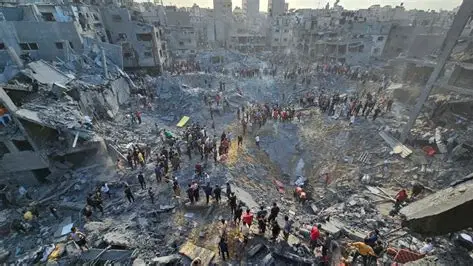
Health officials in Gaza reported that two Palestinians were killed by Israeli gunfire in the Zeitoun neighborhood of northern Gaza City. Hours later, five more people were killed when Israeli strikes hit the al-Mawasi area in southern Gaza, setting multiple tents ablaze.
"Five citizens, including two children, were killed and others injured, some of them seriously, after an Israeli missile strike targeted the al-Mawasi camp," said Mahmoud Basal, spokesperson for Gaza's civil defense.
Medical staff at the Kuwaiti Hospital confirmed that the two slain children were aged eight and ten. At least 32 people were wounded, with many suffering severe burns, according to the Palestinian Wafa news agency.
According to Gaza's authorities, Israeli forces have breached the ceasefire at least 591 times since it came into effect on October 10, resulting in the deaths of at least 360 Palestinians and injuring more than 900.
Palestinian officials have documented a pattern of increasing ceasefire violations since the truce began:
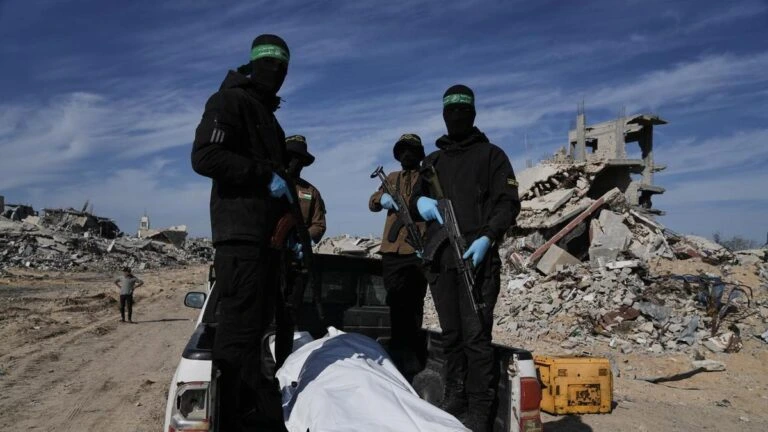
In a separate development, Israel's military confirmed that it had received the remains of what may be one of the final two Israeli captives held by Palestinian armed factions. The transfer was coordinated through the International Committee of the Red Cross.
Since the temporary truce began, Hamas has returned all 20 living captives and 26 bodies, while Israel has released approximately 2,000 Palestinian detainees and prisoners as part of the exchange framework.
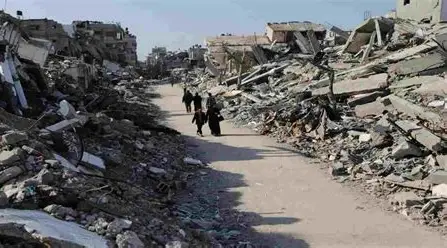
Reopening the Rafah crossing remains a central requirement in the first phase of U.S. President Donald Trump's 20-point plan to end the war on Gaza. The plan calls for the crossing to operate in both directions and for Israel to allow a significant increase in humanitarian aid into the besieged enclave.
Despite this, Israeli authorities have continued to restrict aid deliveries. Israel's Coordination of Government Activities in the Territories (COGAT) announced on Wednesday that Rafah would open "in the coming days exclusively for the exit of residents from the Gaza Strip to Egypt," offering no clarity about when aid or goods may be allowed in.
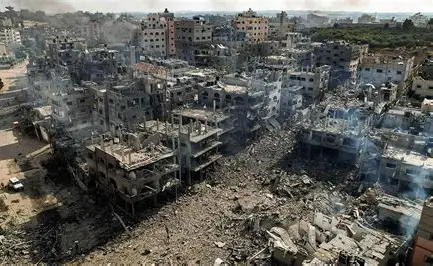
The ongoing violations have exacerbated an already dire humanitarian situation in Gaza:
International humanitarian organizations have called for immediate action to:
As the ceasefire continues to erode under repeated violations, humanitarian agencies warn that Gaza's civilian population remains in critical danger, with limited access to shelter, medical care, and food supplies. The United Nations has described the situation as "catastrophic" and called for immediate international intervention to prevent further loss of life.