HAPPY LIFE

WHAT NEWS?
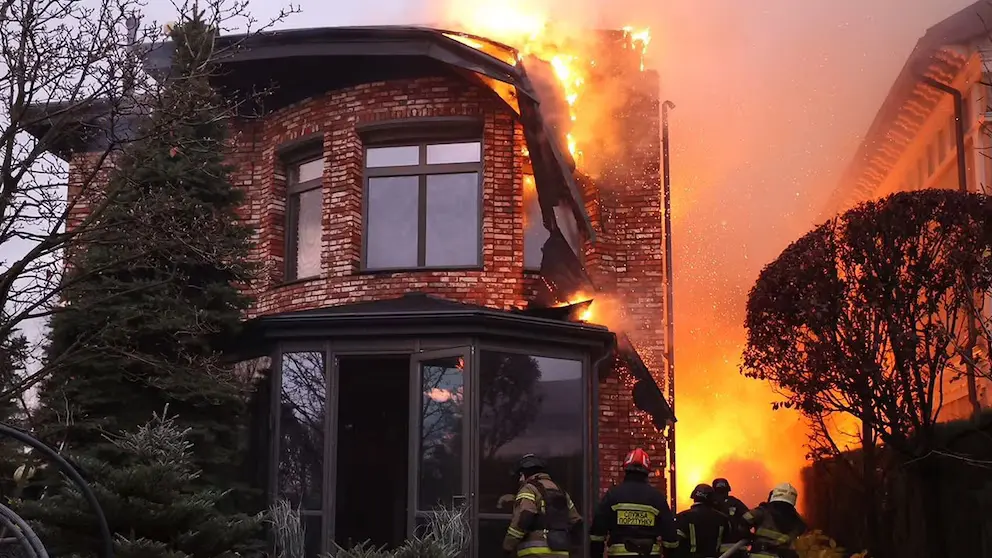
Russia Launches Massive Strikes on Ukraine Amid US Peace Talks
Russia Launches Massive Strikes on Ukraine Amid US Peace Talks


Trusted News - Expert Analysis - Global Coverage
Russia has launched a large-scale aerial assault on Ukrainian infrastructure as high-level talks between the United States and Ukraine continue in Florida, according to multiple reports.
krainian officials said Russia fired 653 drones and 51 missiles overnight, most of which were intercepted. One strike hit the key railway hub of Fastiv, southwest of Kyiv, destroying the main station building and damaging rail equipment.
Russia said the attacks were aimed at energy infrastructure, industrial facilities, and logistics sites. This represents one of the largest overnight aerial attacks in months, striking Ukrainian energy and transport infrastructure as US-Ukraine negotiations in Florida enter a third day.
Condemning the bombardment, French President Emmanuel Macron announced he would travel to London on Monday to meet with Ukrainian President Volodymyr Zelensky, UK Prime Minister Sir Keir Starmer, and German Chancellor Friedrich Merz.
"We must continue to put pressure on Russia to force it towards peace," Macron wrote on X, saying the meeting would review progress in the ongoing negotiations mediated by the US.
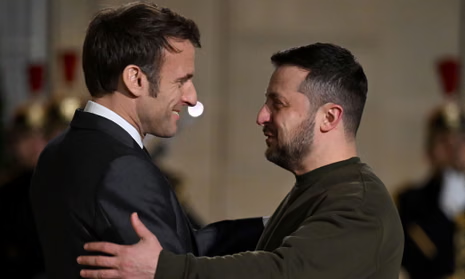
The escalation comes amid renewed diplomatic efforts and rising concerns about the Zaporizhzhia nuclear plant. European leaders are coordinating their response as fighting intensifies despite ongoing peace talks.
Before the latest strikes, US and Ukrainian negotiators urged Moscow to demonstrate "a serious commitment to long-term peace" after a recent round of talks in Moscow produced no breakthrough.
Russia has stepped up attacks on Ukraine's power grid and civilian infrastructure in recent weeks. Ukraine's energy ministry reported strikes on facilities in eight regions, causing widespread blackouts.
Zelensky described the strike on the Fastiv rail hub as "meaningless from a military point of view," accusing Russia of targeting civilian infrastructure to inflict maximum suffering on the Ukrainian population.
In Florida, US special envoy Steve Witkoff said two days of discussions with Rustem Umerov, Ukraine's national security chief, had been "constructive."
According to their joint statement, the two sides "agreed on the framework of security arrangements" and discussed "necessary deterrence capabilities" for a lasting peace. Few specifics were released.
The talks are attended by US President Donald Trump's senior envoy team, including Jared Kushner. Witkoff also briefed Ukrainian officials on his five-hour meeting with Russian President Vladimir Putin in Moscow earlier in the week.
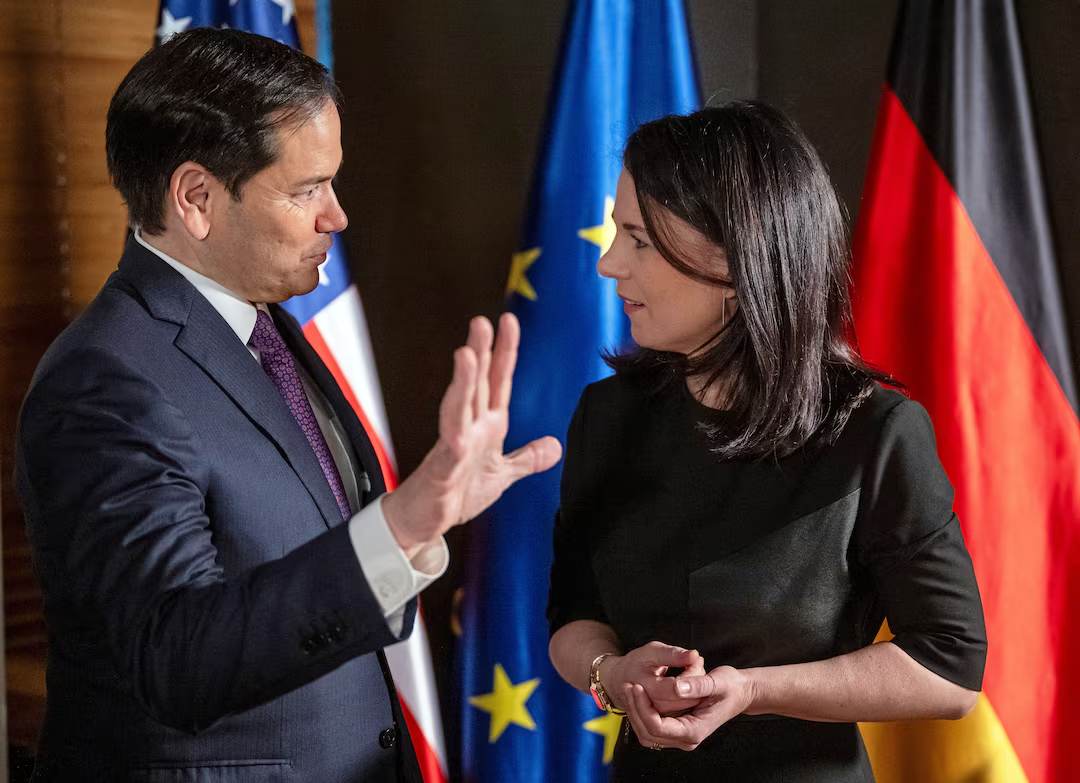
After the meeting, the Kremlin said "no compromise" had been reached on a draft US peace proposal but expressed willingness to continue dialogue. The contrasting messages highlight the complexity of the negotiations amid ongoing hostilities.
Zelensky said he expects to receive "full information" about what was discussed in Moscow and Russia's latest demands. Ukrainian officials have reportedly asked for revisions to an earlier leaked draft of the US peace plan, which critics said tilted in Moscow's favor. A new version has not been released publicly.
Key sticking points include:
Russia currently controls about one-fifth of Ukraine's territory, including major portions of the Donbas region. Putin warned Ukrainian forces to fully withdraw from the Donbas region, saying Russia would otherwise "liberate these territories by force."
The Kremlin said NATO-related issues were a "key question" during recent discussions in Moscow. Trump described the talks as "reasonably good" but warned that any deal would require commitment from both sides, adding, "It takes two to tango."
As diplomatic efforts continue, the military situation remains volatile. Ukrainian air defenses reported intercepting approximately 80% of the incoming missiles and drones, but the scale of the attack overwhelmed some systems, allowing strikes to hit critical infrastructure.
The international community faces a delicate balancing act: maintaining pressure on Russia through sanctions and military support for Ukraine while keeping diplomatic channels open for potential peace negotiations. With winter approaching and energy infrastructure damaged, humanitarian concerns are mounting alongside strategic considerations.
Military analysts note several concerning trends in the recent escalation:
European leaders are expected to announce new sanctions packages and increased military aid during their London meeting. Meanwhile, the US Congress continues to debate additional funding for Ukraine amid domestic political divisions.