
HAPPY LIFE

WHAT NEWS?
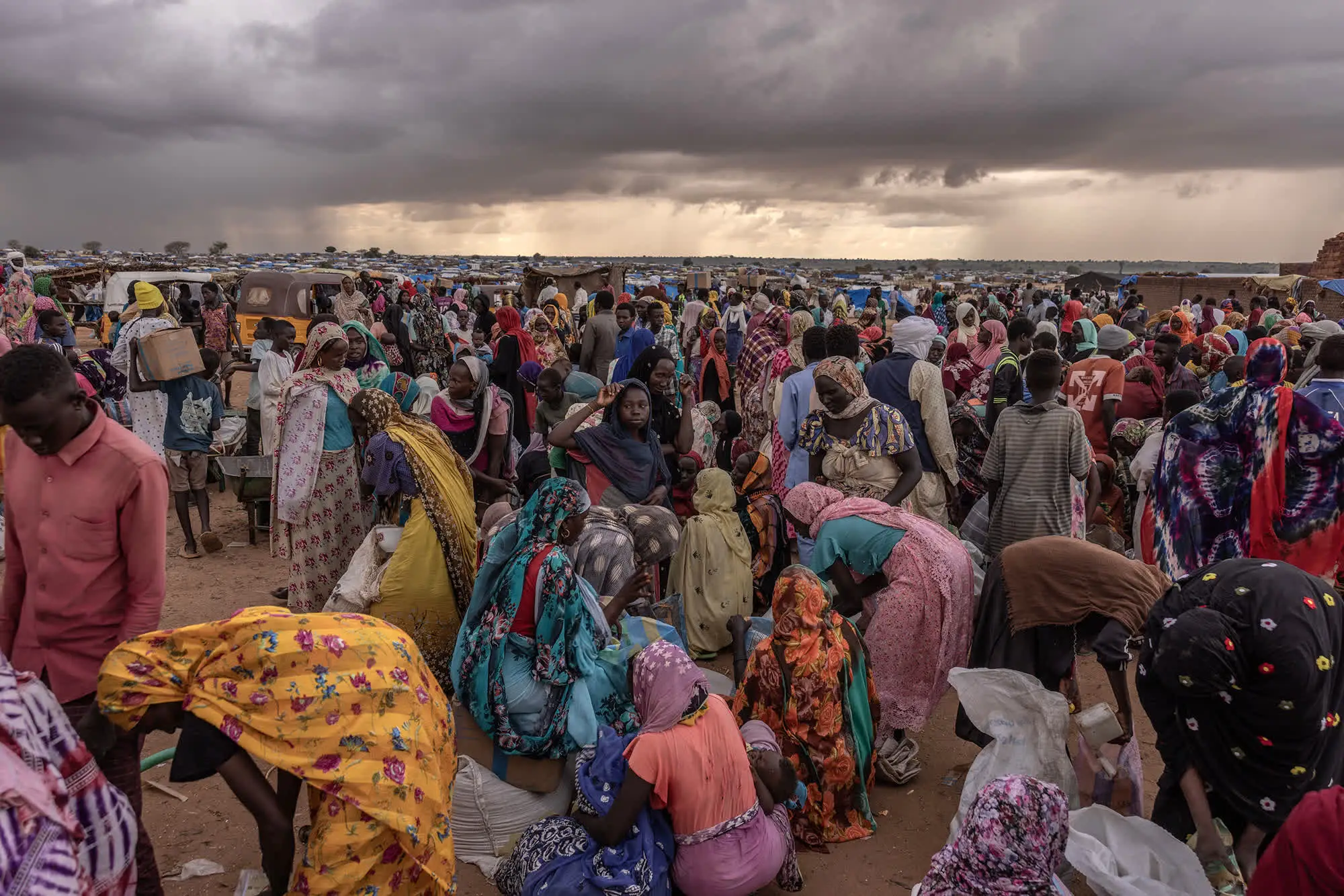
Sudan War: RSF Accused of Raping 19 Women Fleeing El Fasher
Sudan War: RSF Accused of Raping 19 Women Fleeing El Fasher


Trusted News - Expert Analysis - Global Coverage
As Sudan's devastating civil war grinds into its 966th day, a new and harrowing allegation has emerged from the war-torn Darfur region. A coalition of Sudanese medical professionals says 19 women fleeing the besieged city of El Fasher were raped by fighters from the Rapid Support Forces (RSF), marking another brutal chapter in a conflict already defined by mass displacement, ethnic targeting, and systematic violence against civilians.
he claims come from the Sudanese Doctors Network, one of the few remaining medical bodies still operating in North Darfur amid collapsing infrastructure and near-total humanitarian isolation. In a statement released December 8, 2025, the network said the women—aged 18 to 45—were intercepted while attempting to escape El Fasher after weeks of relentless RSF advances.
A doctor working in a makeshift clinic near the Chad–Sudan border described the assaults as "weaponized sexual violence meant to terrorize entire communities." Speaking anonymously for safety reasons, the doctor said many of the survivors arrived severely injured, dehydrated, and traumatized.
According to witness testimony collected by the network:
Humanitarian workers say the real number of victims is likely far higher, as stigma, fear of reprisals, and inaccessible roads prevent many survivors from reporting abuses. "For every woman who reaches a clinic, there are dozens who don't—because they can't move, because they're afraid, or because they don't survive," the border doctor added.
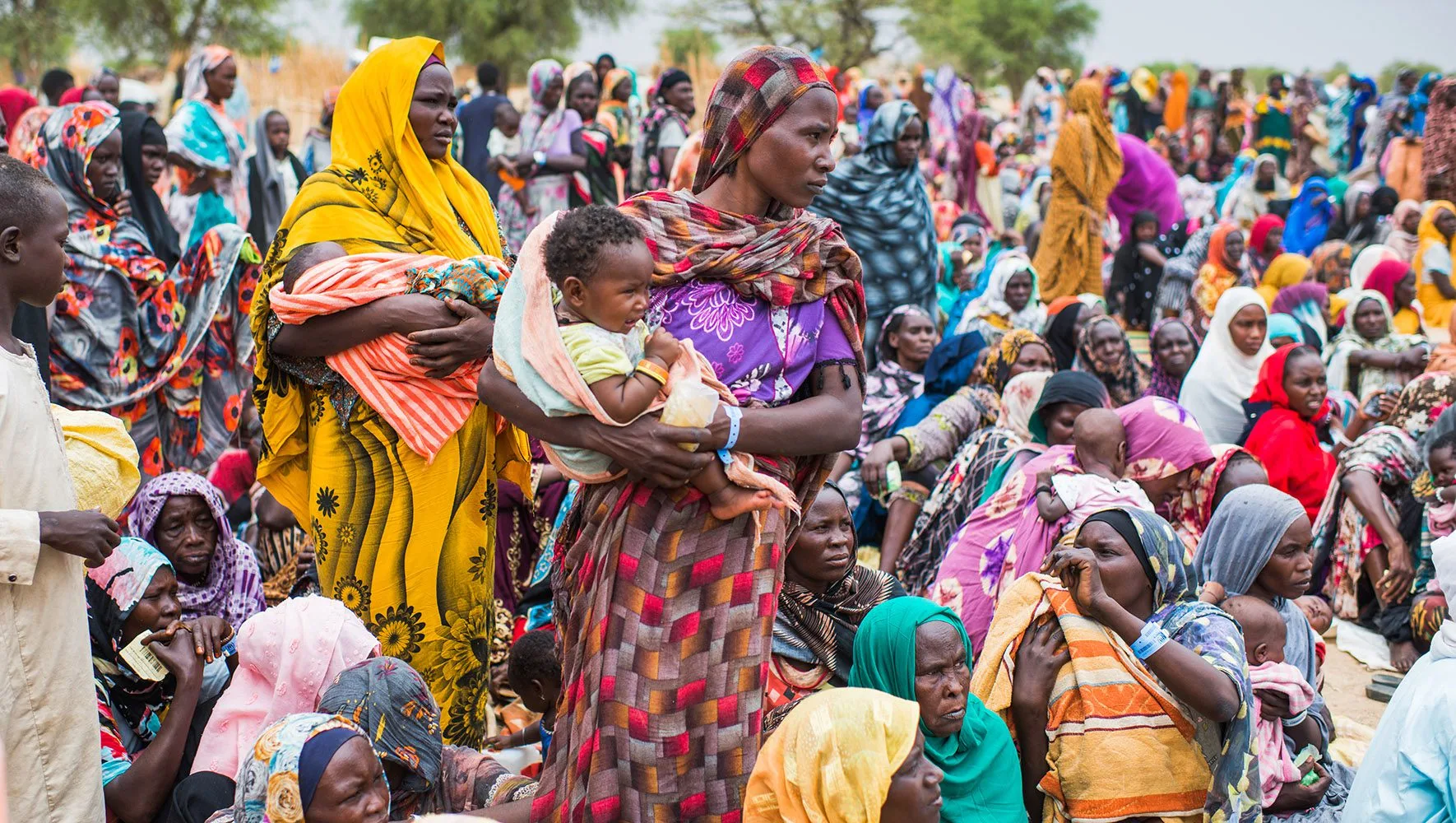
The Sudanese Doctors Network documented that most victims showed signs of physical trauma consistent with gang rape, and several required emergency surgery. Medical supplies in border clinics are critically low, with antibiotics, pain medication, and trauma kits nearly exhausted. "We're treating these women with almost nothing," said the doctor. "No anesthesia, minimal pain relief, and bandages we wash and reuse."
El Fasher—historically the capital of North Darfur and the last major stronghold of the Sudanese Armed Forces (SAF)—fell to RSF control in late October, marking a major turning point in the conflict. The city's fall triggered one of the largest population displacements of the war.
Tens of thousands fleeing toward Chad, with entire neighborhoods burned and abandoned
Hospitals destroyed or surrounded, with medical staff facing targeted attacks
Aid workers unable to enter due to active fighting and RSF checkpoints
Reports of mass arrests and killings targeting specific ethnic groups
Markets looted, food warehouses destroyed, supply routes cut off
Removal of last barrier protecting Darfuri civilians from RSF dominance
The collapse of El Fasher removed one of the last barriers protecting Darfuri civilians from RSF dominance in the region. Satellite imagery analyzed by conflict monitoring groups shows extensive destruction in residential areas, with entire neighborhoods reduced to rubble and visible signs of arson attacks.
Sudan's civil war, which began in April 2023, has now reached catastrophic proportions:
Multiple rights organizations — including the UN, Human Rights Watch, and regional monitoring groups — have warned that the conflict contains the hallmarks of ethnic cleansing and crimes against humanity. The RSF, many of whose fighters descend from the notorious Janjaweed militias responsible for atrocities in the 2003-2008 Darfur genocide, has been repeatedly accused of systematic sexual violence throughout the conflict.
The RSF denies these allegations, blaming "criminal elements" instead. In a statement released November 30, the RSF claimed it "maintains strict discipline" and "investigates any reported misconduct." However, rights groups note that no RSF fighter has ever been publicly prosecuted for sexual violence or other war crimes committed since the conflict began.
Analysts warn that the fall of El Fasher may open the door to:
UN agencies have repeatedly called for unimpeded humanitarian access, but RSF checkpoints and active combat have made coordinated aid nearly impossible. The World Food Programme estimates that only 10% of needed supplies are reaching affected populations in Darfur.
With international mediation stalled and neither side showing willingness to compromise, Sudan's war continues with no clear path to resolution. Doctors treating the survivors say the latest assaults highlight a pattern of brutality aimed not only at defeating the SAF militarily but at shattering the social fabric of Darfur's communities.
The Sudanese Doctors Network has called for:
Meanwhile, the victims of the El Fasher attacks face an uncertain future. Most have lost everything—homes, livelihoods, family members—and now carry physical and psychological wounds that may never fully heal. "These women are not just statistics," said the border doctor. "They are mothers, daughters, sisters. They had lives before this war destroyed everything. And now they're left with nothing but trauma and fear."
966 days (since April 15, 2023)
27,000+ (actual likely 40,000+)
10 million+ (internal and refugees)
18 million facing acute hunger
80% of hospitals non-functional
Mass killings, sexual violence, ethnic targeting
As the sun sets on another day of Sudan's interminable war, the women who survived the El Fasher attacks join millions of other Sudanese civilians in a limbo of displacement, trauma, and uncertainty. Their stories—like so many others in this conflict—remain largely untold beyond the borders of a country descending into what many now fear could become the 21st century's first recognized genocide.