HAPPY LIFE
WHAT NEWS?
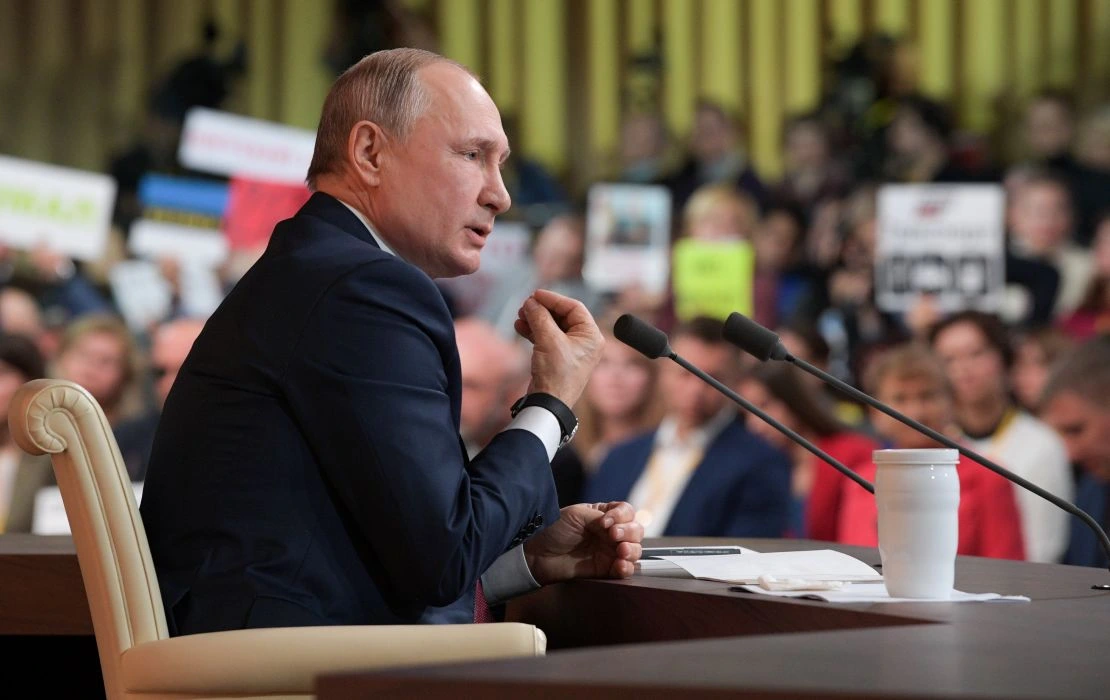
Putin Rejects Key Points of U.S. Peace Deal as Talks on Ukraine Drag On
Putin Rejects Key Points of U.S. Peace Deal as Talks on Ukraine Drag On


Trusted News - Expert Analysis - Global Coverage
Russia pushes back against parts of a U.S.-crafted proposal to end the war in Ukraine, with Vladimir Putin saying several conditions are impossible for Moscow to accept despite a marathon round of talks.
ussian President Vladimir Putin has dismissed several key elements of a new peace framework drawn up by the United States to try to end the war in Ukraine, signaling that a comprehensive settlement is still far away.
The proposals, presented by U.S. envoys during a lengthy meeting in Moscow, are part of Washington's most intense diplomatic effort since Russia launched its full-scale invasion nearly four years ago. According to Putin, the document originally contained 28 points and has now been trimmed to 27, grouped into four main negotiation packages.
Speaking before a state visit to India, Putin described the talks as "detailed and necessary" but said that some American demands would undermine what the Kremlin sees as Russia's vital security interests. Those items, he stressed, cannot be approved in their current form.
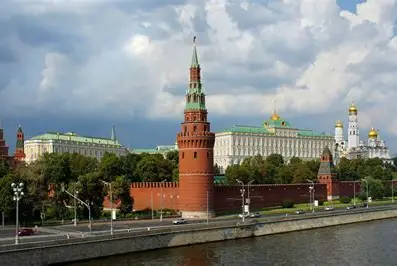
Although neither side has publicly listed every proposal, the most sensitive issues include possible territorial concessions, future security guarantees, and whether Ukrainian forces would eventually withdraw from occupied areas in the east. Putin repeated that Russia intends to meet its objectives in the Donetsk region, either through a negotiated deal or continued military pressure.
U.S. officials had also planned for the envoys to meet a Ukrainian delegation led by senior negotiator Rustem Umerov. Kyiv has insisted it will not sign any agreement that forces it to cede land, arguing that rewarding aggression would only invite more instability in Europe.
For now, the talks appear to have reached a delicate stage: both sides are still speaking, but neither is ready to make the kind of compromises that would transform a draft framework into a real peace treaty. As negotiations drag on, the fighting in Ukraine continues with no clear end in sight.
The Russian president lands in New Delhi for a state visit focused on trade, defense and energy, while questions over the Ukraine peace process follow him to South Asia.
Shortly after wrapping up intensive talks with U.S. representatives in Moscow, Vladimir Putin arrived in New Delhi for a closely watched state visit hosted by Indian Prime Minister Narendra Modi.
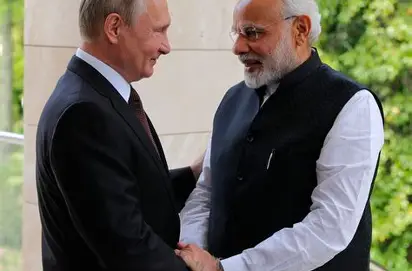
The two leaders are expected to discuss a broad agenda that includes energy supplies, military cooperation, and new investment projects. India has dramatically increased imports of discounted Russian oil since the start of the war in Ukraine, turning the country into one of Moscow's most important economic partners.
New Delhi has tried to balance its historic ties with Russia with a growing strategic partnership with the United States and other Western allies. Indian officials say their priority is protecting national interests, securing stable energy flows, and keeping lines of communication open with all major powers.
The visit underscores how the war has reshaped global alliances: Western capitals have imposed sweeping sanctions aimed at isolating Russia, while many nations in Asia, Africa, and Latin America have opted for a more neutral stance, continuing business with Moscow even as fighting drags on in Europe.
For Putin, the trip offers a chance to showcase that Russia still has influential partners and alternatives in the East. For India, it is another test of its carefully calibrated foreign policy, which seeks to balance principle, pragmatism, and the realities of a multipolar world.