
HAPPY LIFE

WHAT NEWS?
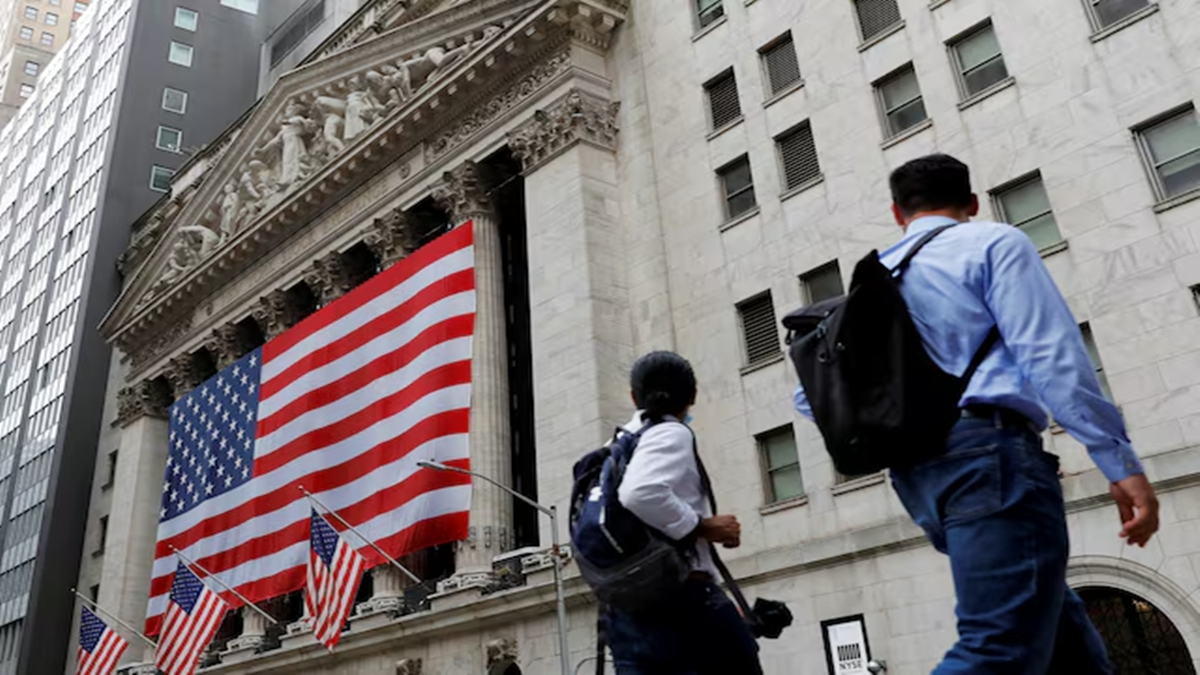
US Revokes 85,000 Visas in 2025 as Part of Expanded Public-Safety Crackdown
US Revokes 85,000 Visas in 2025 as Part of Expanded Public-Safety Crackdown


Trusted News - Expert Analysis - Global Coverage
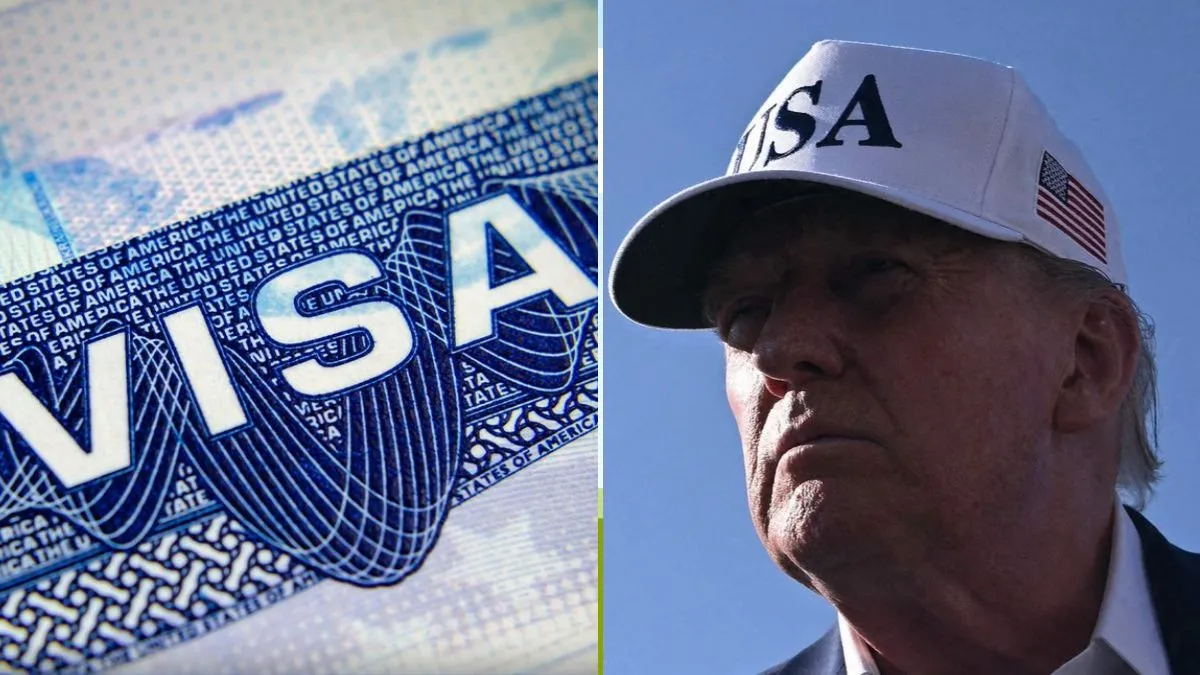
The United States has revoked 85,000 visas so far in 2025 under expanded public-safety measures designed to strengthen national security and prevent individuals who pose risks from entering or remaining in the country, a senior U.S. State Department official confirmed on Monday.
peaking on background, the official described the sweeping action as part of an intensified "community safety first" approach, reflecting the administration's tougher stance on visa vetting following recent domestic security concerns. "We've revoked 85,000 visas of all categories, including more than 8,000 student visas—more than double last year's numbers," the official said.
According to the State Department, the most common triggers for revocations were DUI offenses, assault cases, and theft, which together accounted for nearly half of all decisions. "These are individuals who pose a direct risk to our communities. We do not want them in our country," the official added, emphasizing that security screenings will not be expedited even under political pressure or humanitarian urgency.
The official noted that the administration has adopted a heightened screening posture for applicants from what it classifies as high-risk environments. On Afghanistan, the official emphasized that the U.S. remains cautious about post-withdrawal security dynamics: "This administration has always had concerns about Afghanistan's security situation and ensuring we can thoroughly vet applicants to confirm they do not pose a threat."
Visa processing for Afghan applicants—particularly those applying under humanitarian or special-immigration categories—remains slow due to extensive background checks. The State Department has been expanding the use of cross-agency intelligence, automated risk scoring tools, and international law enforcement data to flag applicants with prior criminal activity or associations deemed dangerous.
"We will take as much time as necessary. A visa will not be issued until we are confident the applicant does not pose a threat to American lives," the official reaffirmed. The new screening protocols include enhanced biometric checks, social media monitoring for concerning content, and deeper background investigations that extend beyond standard criminal records.
With 8,000 student visas among the revocations, universities and educational institutions have expressed concern about the impact on international student mobility. The Institute of International Education reported a noticeable decline in visa approvals from several countries, potentially affecting fall 2025 enrollment numbers.
"While we support measures that ensure campus safety, we're concerned about the broader message this sends to international students considering U.S. education," said a spokesperson for the American Council on Education. "The U.S. has long been a top destination for global talent, and we need to balance security with maintaining our competitive edge."
The large-scale revocations have already drawn international attention, especially in regions where student mobility and work visas to the U.S. are significant. Diplomatic observers suggest the move could strain ties with some countries whose citizens are frequently impacted.
Several allied nations have privately expressed concern about the breadth of the crackdown, with European diplomats noting that minor offenses in some countries are being treated with the same severity as more serious crimes. "There's a lack of proportionality in some cases," one European diplomat commented anonymously.
The development comes at a time of elevated geopolitical tensions, shifting migration pressures, and debates within the U.S. over immigration enforcement. Congressional hearings on the visa policy are scheduled for next month, with both parties preparing for what promises to be a contentious debate.
Business groups have also raised concerns about the impact on skilled worker visas, particularly in technology and healthcare sectors already experiencing talent shortages. "While we understand the security imperative, we need a system that's both secure and efficient," said the head of a major tech industry association.
Civil liberties organizations have filed multiple lawsuits challenging aspects of the new vetting procedures, arguing that some revocations lack adequate due process. The American Civil Liberties Union has taken up several cases where visas were revoked based on unverified allegations or minor infractions.
"There's a troubling pattern of visa revocations without proper notice or opportunity to contest the decision," said an ACLU attorney working on the cases. "While public safety is paramount, it cannot come at the expense of fundamental fairness."
The administration defends its approach, pointing to what it calls a "dramatic reduction" in incidents involving visa holders over the past year. Internal statistics show a 65% decrease in criminal incidents involving non-citizens on visas compared to the previous year, though critics question the methodology.
Increased from 45 to 63 days on average, with high-risk countries seeing 90+ day waits
Only 12% of appeals successful due to stringent "presumption of risk" standard
AI systems now analyze 50+ data points per applicant, flagging 1 in 7 for manual review
15 countries have formally expressed concerns about the new policies
Estimated $3.2 billion loss in international student spending for 2025-26
65% reduction in criminal incidents involving visa holders since policy implementation
Economists warn that the visa crackdown could have unintended economic consequences. A study by the Migration Policy Institute suggests that reduced international student enrollment alone could cost the U.S. economy approximately $5.7 billion annually in tuition and living expenses.
Additionally, sectors reliant on skilled foreign workers, particularly technology, engineering, and healthcare, could face talent shortages. "The H-1B visa program already has a massive backlog, and increased scrutiny will likely extend processing times further," noted an immigration policy analyst at the Cato Institute.
Looking ahead, the administration plans to expand the use of biometric screening and artificial intelligence in visa processing. Pilot programs using facial recognition and behavioral analysis at select consulates have shown promising results in identifying potential security risks, but have also raised privacy concerns.
The debate over visa policy is expected to intensify as the 2024 election approaches, with immigration likely to be a central issue. Meanwhile, applicants face longer wait times and more stringent requirements, reflecting what officials describe as a "new normal" in U.S. immigration enforcement that prioritizes security over expediency.
As the policy continues to evolve, international observers are watching closely to see whether other countries will follow the U.S. lead in adopting more stringent vetting procedures, or whether the approach will remain a uniquely American response to security concerns in an increasingly complex global landscape.